Watercolor Wildflower Clipart: A Fresh Touch for Branding & Marketing Illustrations
As a brand designer and content marketer, I recently reviewed the Watercolor Wildflower Clipart with the intent to integrate it into a seasonal campaign for a lifestyle brand. My goal was to assess how well this design asset could support a real-world marketing project — in this case, a spring product launch for an organic tea line. Here’s how the clipart performed across branding, visual consistency, and audience engagement.
First Impressions: Soft, Organic, and Approachably Elegant
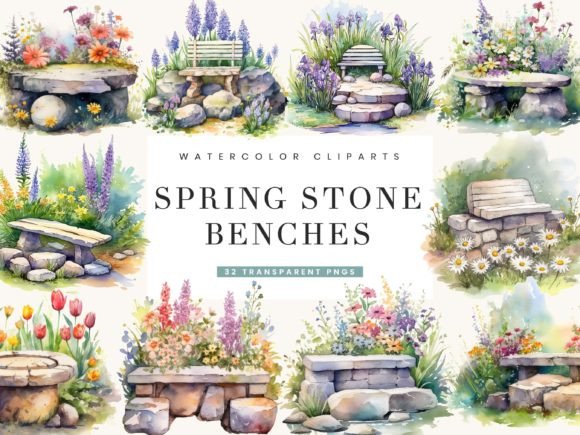
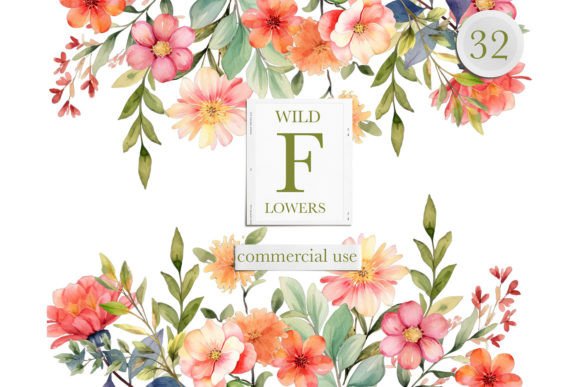
The first thing that stood out about the Watercolor Wildflower Clipart is its soft, natural aesthetic. It carries a gentle, hand-painted texture that feels both artisanal and modern. The watercolor technique gives it a timeless charm, while the wildflower motifs add a sense of movement and spontaneity. This is not a rigid, vector-based design — it’s expressive and organic, which makes it ideal for brands that want to feel warm, approachable, and a little whimsical.
From a brand perception standpoint, this clipart leans toward the handmade, eco-conscious, and lifestyle-oriented audiences. It doesn’t scream luxury, but it does whisper authenticity — perfect for small businesses, indie creators, and content marketers looking to build trust with a more emotionally connected visual identity.
Brand Identity & Visual Consistency: Blending Into a Coherent Whole
I tested the Watercolor Wildflower Clipart against the brand’s existing color palette — muted greens, soft earthy tones, and creamy whites. It blended beautifully, especially when used as a background accent or as a decorative border in editorial-style graphics. The transparency and layering in the watercolor strokes allowed for seamless integration without overpowering the core message.
In terms of logo design and packaging accents, this clipart worked best as a supporting element rather than a primary brand mark. For example, we used a single wildflower cluster as a stamp-style seal on packaging inserts and digital product covers. It added a human touch that felt less corporate and more personal — a key differentiator in a crowded market.
Marketing & Campaign Use: From Pinterest to Packaging
One of the biggest strengths of the Watercolor Wildflower Clipart is its versatility across marketing formats. We used it in several key campaign visuals:
- Social media graphics: As part of a Canva template pack for Instagram Stories, it framed seasonal promotions beautifully.
- Pinterest pins: The organic flow of the wildflowers helped create a dreamy, scroll-stopping visual that boosted repins.
- Email banners: Subtle placement behind the headline added visual interest without affecting readability.
- Blog headers: Paired with a clean sans-serif font, it gave our editorial content a soft, inviting tone.
- Packaging inserts: Printed on recycled paper, the clipart added a boutique feel to the unboxing experience.
Where it really shined was in digital product visuals and content kits. For a downloadable “Spring Wellness Guide,” we used the flowers as corner accents and dividers — giving the PDF a curated, professional look that elevated the brand’s perceived value.
Emotional Connection & Audience Trust
The Watercolor Wildflower Clipart has a gentle emotional tone — it feels hopeful, peaceful, and nurturing. These are powerful emotional cues for audiences in wellness, lifestyle, and eco-friendly niches. Used in the right context, it helped build a stronger emotional bridge between the brand and the customer.
It also added a layer of professionalism without sacrificing warmth. Many small businesses struggle with looking too DIY or too stiff. This clipart strikes a balance — it’s polished enough for a digital product but expressive enough to feel handmade.
Where It Works Best: Hero Graphics, Templates, and Seasonal Campaigns
This design asset excels in contexts where visual storytelling is key. It’s ideal for:
- Hero graphics: Used as a full-page header on landing pages or promotional emails.
- Branded templates: Especially in Canva or Adobe templates for content creators and bloggers.
- Seasonal campaigns: Spring or summer product launches, Mother’s Day promotions, or floral-themed content.
- Content bundles: As part of a digital design pack for social media kits or editorial calendars.
- Promotional banners: On websites or in email marketing, especially when paired with a clear call to action.
Where to Use It Carefully: Formal and Functional Designs
While beautiful, the Watercolor Wildflower Clipart isn’t a one-size-fits-all solution. It should be used carefully in:
- Formal corporate branding: Too casual for boardroom presentations or legal documents.
- Dense information layouts: Can compete with text-heavy content like infographics or reports.
- Mobile-optimized graphics: The fine details can get lost on small screens.
- Minimalist brands: May feel out of place in ultra-clean, modern aesthetics.
- Text-heavy ads: Risks overshadowing the core message in digital ads or landing pages.
Designer’s Checklist: What to Test Before Deployment
Before rolling out the Watercolor Wildflower Clipart in a live campaign, here are the practical steps I recommend:
- Test with your brand palette: Ensure it complements your primary and accent colors.
- Check black and white usage: Some watercolor textures fade in monochrome settings.
- Mockup placement: See how it looks in real-world campaign visuals — not just in design software.
- Preview on mobile: Confirm it remains legible and visually effective on small screens.
- Font pairing: Try it with serif, sans-serif, script, and display fonts to find the best contrast.
- Spacing and balance: Don’t overcrowd — let the clipart breathe within the layout.
- Licensing review: Confirm it includes a commercial license for client work, digital products, or paid ads.
Final Thoughts: A Strong Visual Asset for Content Creators & Small Brands
The Watercolor Wildflower Clipart is more than just a pretty design — it’s a strategic visual tool for brand storytelling. When used thoughtfully, it enhances campaign visuals, supports emotional branding, and elevates the perceived professionalism of a small business or creative entrepreneur.
For marketers and designers looking to inject warmth, approachability, and a touch of nature into their visual content, this clipart is a strong contender. Just remember to match it with your brand’s tone, test it in real use cases, and keep your audience’s expectations in mind.