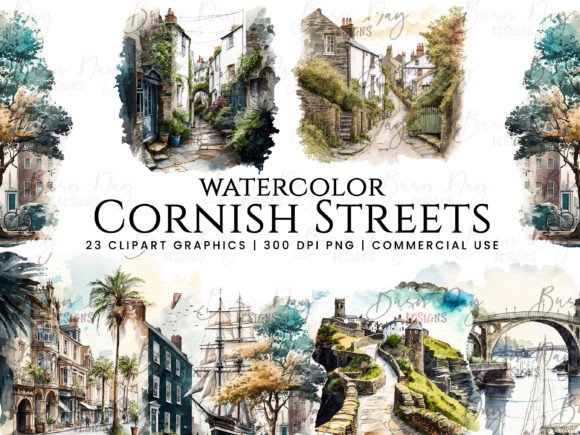
Watercolor Cornish Streets Clipart: A Designer’s Real-World Review
First Impressions: A Whimsical Glimpse into Coastal Charm
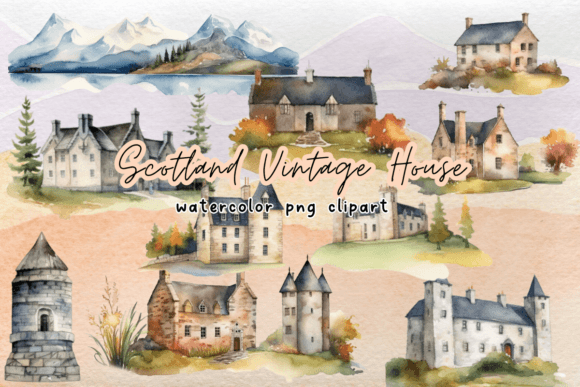
Opening up the Watercolor Cornish Streets Clipart file, I was immediately drawn into its soft, painterly aesthetic. It feels like a quiet seaside town caught mid-morning light—weathered cobblestones, quaint cottages, and a gentle wash of color that mimics real brushstrokes. This isn’t a bold, graphic design; it’s more of a storytelling piece, perfect for embroidered items that lean into nostalgia or artisanal charm.
The layout is horizontal, which makes it ideal for tote bags, tea towels, or even the front of a sweatshirt. The detail level sits in that sweet spot—detailed enough to be recognizable, but not so dense that it becomes overwhelming on fabric. As a designer, I appreciate that balance, especially when considering how it will translate from digital to stitched form.
Real-World Use: From Clipart to Embroidered Product
I tested this design on a few mock projects: a custom tote bag, a baby onesie, and a linen pillow cover. On the tote, the watercolor texture gave it a soft, handmade feel—perfect for boutique shoppers or Etsy sellers looking to elevate their product photography with a touch of authenticity. The soft edges of the design translated surprisingly well into embroidery, especially when using a satin stitch for the outlines and a lighter fill stitch for the washes of color.
On the baby onesie, I scaled it down slightly. The Cornish streetscape became a subtle detail that didn’t overpower the garment. It felt personal, not cluttered—something a parent would appreciate for a milestone photo or a thoughtful baby gift. For the pillow cover, I used a heavier thread weight and a slightly denser stitch pattern to give it more presence in a home decor setting. The result? A cozy, curated look that feels intentional, not mass-produced.
Where It Shines—and Where You Should Watch Your Stitches
This machine embroidery design works beautifully on natural fibers like cotton and linen, where the softness of the fabric complements the watercolor style. It also holds up well on medium-weight materials like sweatshirt fleece. However, I’d be cautious using it on stretchy knits or very thin cotton, as the detail could warp or pucker under tension.
Dark fabrics are a mixed bag. The lighter washes of the watercolor don’t always pop the way they do on white or ivory, so consider thread color adjustments or even adding a small outline in a contrasting color. On the flip side, it works wonderfully on light gray or cream backgrounds for a more muted, modern look.
Curved surfaces like caps or baby hats require careful placement. The corners of the design contain small architectural details that can get distorted if stretched over a curved hoop. If you’re going that route, test on a sample cap first and be ready to adjust the placement or scale slightly.
Commercial Viability: From Personal Projects to Etsy Listings
As someone who regularly helps Etsy sellers and small craft businesses build their design libraries, I can say this digital embroidery file has strong commercial potential. Its aesthetic is versatile enough to appeal to both gift buyers and boutique retailers. Pair it with nautical-themed wording or a simple “Made with Love” tagline, and it becomes a compelling centerpiece for seasonal or location-based merchandise.
It’s also a great fit for printable mockups—especially for digital product sellers offering embroidery design bundles. The watercolor style photographs beautifully, and the soft edges lend themselves well to lifestyle images of embroidered goods in natural settings. This helps buyers visualize the end product before ever stitching a single line.
That said, be sure to check licensing before using it in resale products. If you’re selling finished items like embroidered tote bags or baby clothes, or offering the file as part of a digital product bundle, you’ll want to confirm whether the license allows for commercial use and derivative works.
Stitching Notes: What to Watch for Before You Embroider
- Test on scrap fabric first—especially if you’re using textured or stretchy materials.
- Check thread color contrast against both light and dark fabric backgrounds.
- Review stitch density to avoid puckering or fabric distortion.
- Confirm hoop size before stitching—this design works best in mid to large hoop sizes.
- Inspect small architectural details to ensure they won’t be lost in stitching.
- Try a black and white mockup to see how the design reads without color.
- Use proper stabilizer—medium-weight tear-away works best for most cottons and linens.
Final Thoughts: A Versatile Design for the Right Project
Watercolor Cornish Streets Clipart isn’t a one-size-fits-all embroidery file, but that’s what makes it special. It brings a level of artistic nuance that many digital designs lack, and when used thoughtfully, it can elevate everything from a personalized gift to a boutique-ready tote.
For creative entrepreneurs and craft business owners, this design is a smart addition to your library—especially if you’re curating seasonal collections or location-themed merchandise. Just be mindful of fabric choice, thread color, and project type. With a little planning, it can become a signature piece in your handmade product line.