Watercolor Classic Gondola Clipart Review
As a designer who has spent years translating digital files into tangible thread, I approach every new asset with a critical eye. When I first opened the file for Watercolor Classic Gondola Clipart, my immediate reaction was one of nostalgia mixed with practical curiosity. The mood it establishes is soft, romantic, and distinctly Venetian, yet the watercolor aesthetic presents unique challenges when moving from a screen to a hoop. This is not just another illustration; it is a specific visual style that demands careful handling to maintain its integrity in a machine embroidery design.
The First Impression: Translating Soft Edges to Thread
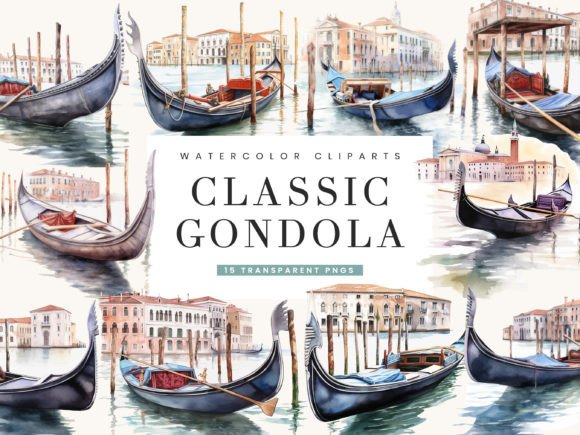
The defining characteristic of this piece is its fluidity. Unlike rigid vector line art, the Watercolor Classic Gondola Clipart relies on gradients and bleeding edges to create depth. In the world of Illustrations, this works beautifully on paper or digital mockups. However, in embroidery, we must ask how these soft transitions will be interpreted by our machines. The gondola shape itself is iconic, but the watercolor effect suggests a need for varied stitch density and potentially a mix of fill stitch techniques to mimic the wash of paint.
Visually, the design feels perfect for a boutique setting or a high-end handmade shop. It evokes a sense of travel, romance, and timeless elegance. If you are an Etsy seller looking to expand your summer collection or add a touch of sophistication to your digital product previews, this clipart offers a strong starting point. The layout is balanced, allowing the gondola to stand out without feeling cluttered, which is crucial for maintaining clarity in a finished product.
A Real-World Scenario: The Custom Tote Bag Project
To truly test the viability of this design, let’s imagine a real project. I am preparing a custom embroidered tote bag for a client who runs a small travel blog. She wants something that screams "vacation" but avoids the cliché of loud, neon logos. I envision placing the Watercolor Classic Gondola Clipart on a natural canvas tote. The texture of the canvas is key here; it provides a slightly rough surface that can actually enhance the watercolor look if the thread colors are chosen correctly.
In this scenario, I would opt for a medium-weight stabilizer to prevent the fabric from puckering, especially since watercolor effects often require more stitching to build up color. The challenge lies in the edges. A standard satin stitch border might look too harsh against the soft, painted vibe of the gondola. Instead, I would consider using a running stitch or a very fine fill stitch to soften the perimeter. The goal is to make the customer feel like they are holding a piece of art, not just a stitched logo. When the finished tote arrives, the contrast between the organic fabric and the delicate, colorful design creates a premium feel that justifies a higher price point for a small business.
Navigating Fabric and Hoop Limitations
While the potential is high, there are specific situations where the Watercolor Classic Gondola Clipart requires caution. First, consider the hoop size. Watercolor designs often rely on negative space and subtle shading. If you attempt to shrink this design to fit a 4x4 inch hoop for a baby onesie or a cap, those delicate details may get lost. The "bleeding" edges could turn into muddy patches of thread, ruining the artistic intent. Always check the minimum recommended size before scaling down.
Fabric choice is equally critical. On thin, stretchy fabrics like jersey knit for a t-shirt, the density required to achieve the watercolor look might cause significant distortion. Similarly, on dark fabrics, the lighter tones of the watercolor wash may struggle to show up without heavy underlays or a different thread palette. If you are planning to use this for sweatshirt embroidery, ensure the fleece is thick enough to support the stitch count without showing shadows through to the other side. For items like kitchen towels or aprons, the cotton weave is generally forgiving, making it an ideal candidate for this design.
Practical Designer Notes for Success
If you decide to integrate Watercolor Classic Gondola Clipart into your workflow, follow these professional guidelines to ensure a successful outcome:
- Test on Scrap Fabric: Never stitch directly onto your final garment. Run a test on a scrap piece of the same fabric to see how the thread tension affects the watercolor gradient.
- Review Stitch Density: Watercolor looks often require less dense filling than solid shapes. Adjust your settings to avoid creating a hard plastic-like texture.
- Check Color Contrast: Ensure your selected thread colors provide enough contrast against the background fabric. What looks vibrant on a white screen may appear dull on beige linen.
- Use Proper Stabilizer: A cut-away stabilizer is often better for this type of design on apparel to prevent tearing over time, while tear-away might suffice for home decor items like pillow covers.
- Inspect Small Details: Zoom in on the digital file. Are there tiny lines or specks that represent watercolor splatters? These may need to be simplified or removed if they are too small to stitch cleanly.
- Verify Licensing: Before selling any handmade product featuring this design, confirm the commercial rights. Ensure you are allowed to sell physical goods created from this embroidery file.
Impact on Brand Value and Customer Trust
Using a well-executed design like Watercolor Classic Gondola Clipart elevates the perceived value of your work. Customers today are savvy; they can spot poor quality stitching from a mile away. A design that respects the limitations of the medium while maximizing its artistic potential builds trust. It signals that you are a professional who cares about the details, whether you are creating a personalized gift for a wedding or stocking inventory for a holiday sale.
For digital product sellers offering printable mockups, this clipart serves as a versatile asset. It allows buyers to visualize their own projects clearly. However, remember that a beautiful image does not guarantee a smooth stitch-out. Your reputation depends on the reality of the finished product, not just the preview. By taking the time to adapt the design properly—perhaps adjusting the running stitch outlines or tweaking the fill stitch angles—you demonstrate expertise that sets you apart from generic crafters.
Final Thoughts on Versatility
The Watercolor Classic Gondola Clipart is a charming addition to any designer's library, provided it is used with intention. It shines on items where texture and softness are assets, such as nursery decor, tea towels, and canvas bags. It is less suited for high-density, small-scale applications where detail is paramount. As a reviewer, I recommend this design for those willing to experiment with thread blends and stabilizers to capture the true essence of the watercolor style. With the right approach, it transforms a simple custom apparel item into a conversation starter, proving that thoughtful design choices are the heart of a successful craft business.