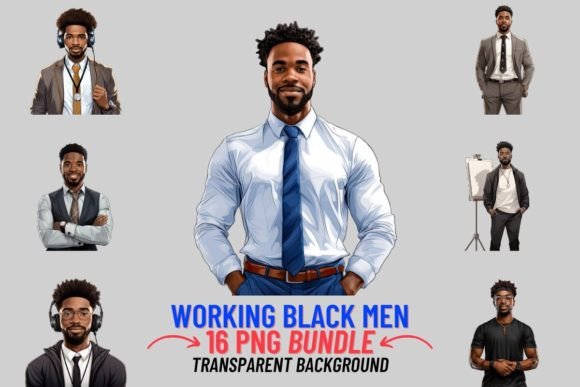
Review: Watercolor Working Black Men Sublimation
As a designer who has spent years translating digital files into tangible thread, I approach every new asset with a critical eye. When I first opened the file for Watercolor Working Black Men Sublimation, my initial reaction was one of cautious optimism. The title suggests a specific aesthetic—a blend of artistic fluidity and powerful representation—but in the world of embroidery, "watercolor" often presents a unique challenge. This piece falls under the category of Illustrations, which immediately signals that we are dealing with complex gradients and organic shapes rather than bold, blocky vector art. Before committing this design to a client project or a small shop product line, it is essential to understand how it behaves when converted from pixels to stitches.
The First Impression: Mood and Visual Personality
The visual personality of Watercolor Working Black Men Sublimation is striking. It captures a sense of movement and softness that contrasts beautifully with the strength of the subject matter. In a digital preview, the watercolor effect creates a dreamy, almost ethereal mood. However, as an experienced reviewer, I know that what looks like a seamless gradient on a screen can become a muddy mess if not stitched correctly. The layout relies heavily on negative space and color blending, which means the success of the final embroidery project depends entirely on stitch direction and density.
This design feels less like a traditional logo and more like a statement piece. It evokes a feeling of modern artistry, making it perfect for custom apparel that aims to stand out in a boutique setting. The shapes are organic, avoiding rigid lines, which gives the piece a handmade, authentic feel even when produced by machine. For an Etsy seller or a creative entrepreneur looking to elevate their brand, this kind of illustration adds a layer of sophistication that generic clipart simply cannot match.
Real-World Application: From File to Fabric
Let’s imagine a real-life scenario. You are preparing a custom embroidered tote bag for a local artist collective. You want something that speaks to creativity and community. Watercolor Working Black Men Sublimation seems like the ideal candidate. But here is where the practical work begins. When you load this machine embroidery design into your hoop, you must consider the fabric texture. Tote bags often use canvas, which has a visible weave. If the stitch density is too low, the watercolor effect will look patchy; if it is too high, the bag may pucker.
I recommend testing this design on scrap fabric first. Place a tear-away stabilizer behind the canvas and run a test stitch. Observe how the fill stitch handles the transitions between colors. The watercolor style requires careful placement of thread colors to mimic the bleeding effect of paint. If the software does not automatically grade the colors well, you may need to manually adjust the embroidery file to ensure smooth gradients. Without this step, the finished product could look pixelated rather than painterly.
Another strong use case is for sweatshirt embroidery. The heavier weight of a sweatshirt provides a stable base for the intricate details found in this illustration. Imagine placing this design on the back of a crewneck hoodie for a holiday gift. The contrast of the dark figures against the lighter watercolor wash would pop, especially if you choose a light gray or cream garment. This transforms a standard piece of clothing into a personalized gift that feels curated and thoughtful.
Navigating Challenges: Where Caution is Key
While Watercolor Working Black Men Sublimation offers great potential, it is not without its pitfalls. One area requiring extreme caution is small hoop sizes. The delicate nature of the watercolor edges means that shrinking the design can cause details to vanish or merge into a single blob. If you are attempting to fit this onto a cap or a baby item, you risk losing the very essence of the illustration. Always check the minimum recommended size before scaling down.
Furthermore, textured fabrics can be problematic. On a nubby linen pillow cover or a thick fleece blanket, the fine details of the watercolor wash might get lost in the fabric pile. The running stitch and satin stitch elements used to define the edges may not lay flat, leading to a less professional appearance. Similarly, stretchy fabrics require extra stabilizer support to prevent the design from distorting after washing. If you plan to sell these as commercial products, you must ensure the design withstands frequent laundering without fraying or fading.
Dark fabrics present another hurdle. Since the watercolor effect often relies on light-to-dark transitions, stitching this on a black background might mute the colors significantly. You may need to add a white underlay or a backing patch to make the colors vibrant. Always compare light and dark fabric backgrounds during your mockup phase to ensure the visual appeal remains intact.
Impact on Brand Value and Customer Trust
For small business owners and crafters, the quality of your finished product directly influences customer trust. A poorly executed embroidered patch or a distorted design on a shirt can damage your reputation. Conversely, using a high-quality asset like Watercolor Working Black Men Sublimation demonstrates attention to detail. It shows that you care about the aesthetics and the message of your work.
This design enhances the perceived value of your merchandise. When a customer sees a tote bag or apron featuring such a nuanced illustration, they recognize the effort involved. It elevates the item from a simple commodity to a piece of wearable art. This is crucial for commercial embroidery projects where differentiation is key. Whether you are creating holiday embroidery for a seasonal collection or branding for a startup, this design asset helps establish a consistent and professional brand identity.
Practical Designer Notes for Success
To get the best results with Watercolor Working Black Men Sublimation, follow these practical steps:
- Test on Scrap Fabric: Never skip the test run. Check how the thread interacts with your chosen material.
- Verify Stitch Density: Ensure the fill areas are dense enough to cover the fabric but loose enough to remain flexible.
- Check Thread Colors: Select a palette that complements the watercolor theme. Avoid overly saturated threads that might clash with the soft aesthetic.
- Confirm Licensing: Before selling any items, confirm the licensing terms. Ensure you have the right to use this digital embroidery file for commercial purposes.
- Use Proper Stabilizer: Depending on the fabric, use cut-away or tear-away stabilizers to maintain the shape of the design.
- Review Mockups: Create printable mockups in both black and white to see how the contrast holds up without color.
In conclusion, Watercolor Working Black Men Sublimation is a versatile and expressive choice for designers willing to put in the technical work. It bridges the gap between digital art and textile craft, offering a unique opportunity to create meaningful, high-value products. By understanding its strengths and limitations, you can turn this illustration into a standout feature of your next handmade project.